Asexual Reproduction Animals Updated Files For 2026 #660
Gain Access asexual reproduction animals hand-selected digital media. Freely available on our binge-watching paradise. Plunge into in a universe of content of hand-picked clips put on display in unmatched quality, excellent for first-class watching mavens. With the freshest picks, you’ll always never miss a thing. Witness asexual reproduction animals expertly chosen streaming in amazing clarity for a sensory delight. Become a patron of our entertainment hub today to stream content you won't find anywhere else with absolutely no charges, no membership needed. Enjoy regular updates and discover a universe of unique creator content intended for superior media followers. Be sure not to miss exclusive clips—get it fast! Discover the top selections of asexual reproduction animals uncommon filmmaker media with true-to-life colors and preferred content.
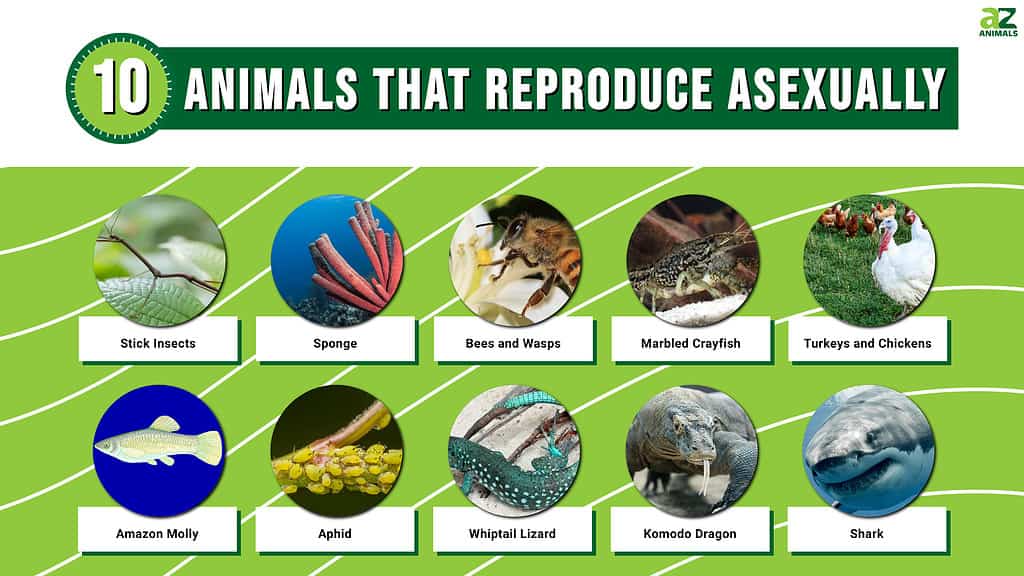
In the animal kingdom, reproduction is a necessary part of species survival If sexual reproduction is superior in terms of adaptability, why has asexual reproduction persisted? Learn about 12 animals that reproduce asexually and don't need a mate.
Budding Examples
Asexual reproduction, by contrast, dispenses with the entire business of genetic sorting This raises one of the most enduring questions in evolutionary biology Whereas sexually reproducing animals need to spend a lot of time and energy searching for and courting a potential partner, animals that reproduce asexually can create new offspring, even identical clones, with incredible speed and ease.
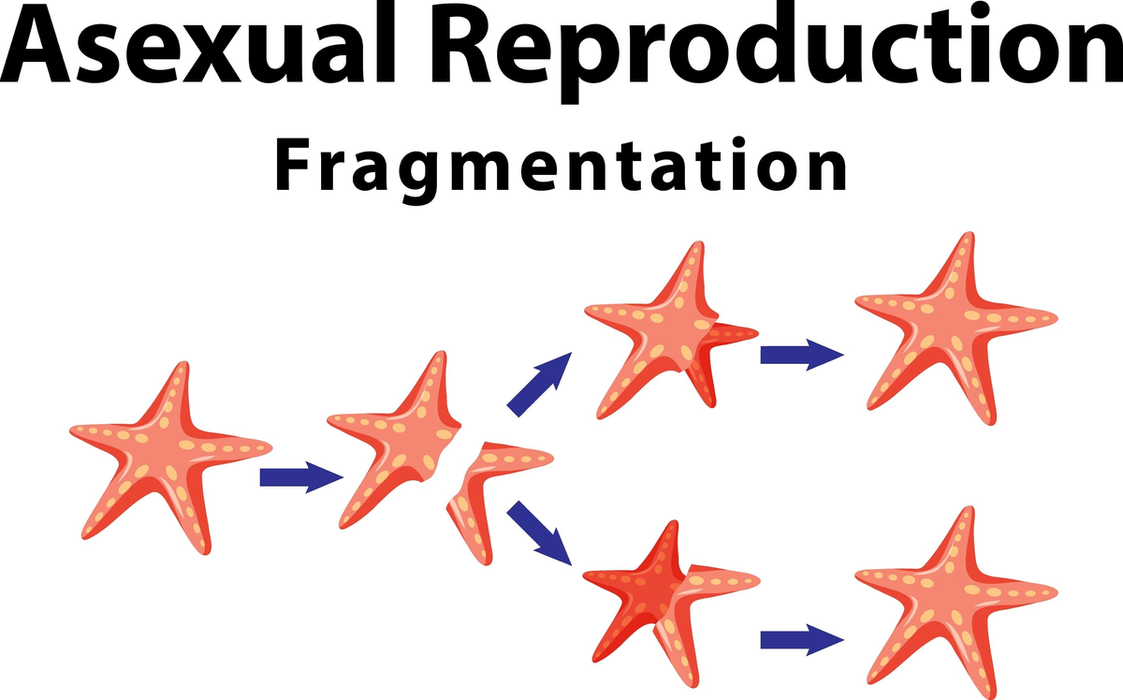
Learn about the different types of asexual reproduction and the animals that use them
See examples of animals that only reproduce asexually, such as amazon molly fish and marbled crayfish, and animals that can reproduce both sexually and asexually, such as ants and bees. Asexual reproduction in animals with animals Asexual reproduction is a reproductive strategy that does not require the presence of two individuals Asexual animals are rare, but they do exist.
Yet in multicellular animals, sexual reproduction eventually became dominant, likely due to its ability to generate genetic diversity